

In 1945, near the Egyptian city of Nag Hammadi, an extraordinary collection of manuscripts dating back to the 4th century AD was discovered. These texts, known as the Nag Hammadi Codices, are among the most important witnesses of Gnostic literature and represent a rare example of bound books from late antiquity. Preserved in Coptic codices written on papyrus and bound in leather, they display a simple yet ingenious binding technique that combines practicality, durability, and a minimalist aesthetic. The bindings of Nag Hammadi are among the earliest known examples of codices and offer valuable insight into the bookbinding techniques of late Roman and Egyptian antiquity. Each codex has unique features, yet shares common elements such as leather covers, visible stitching, and decorative inlays, making them both functional objects and historically fascinating artifacts.
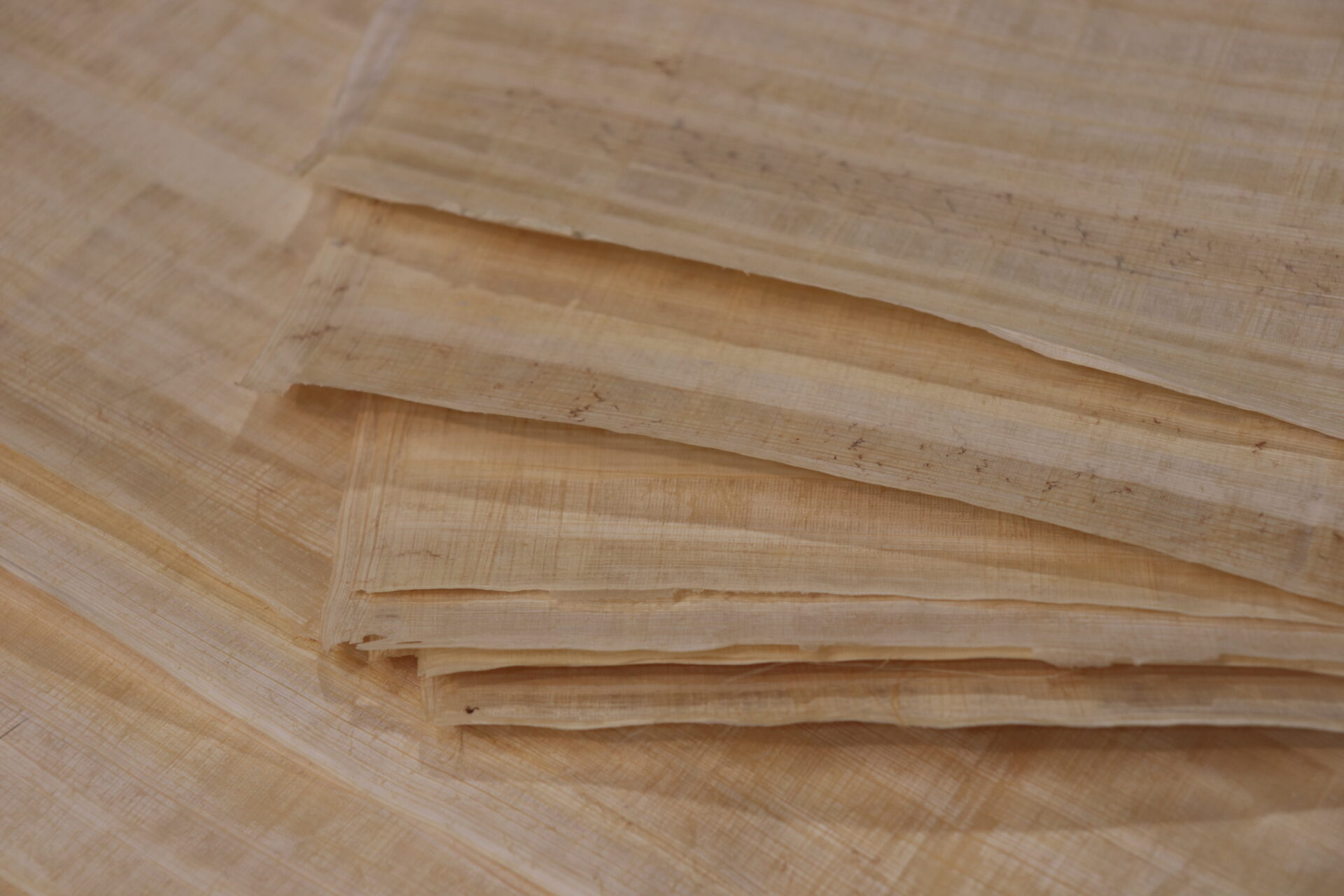
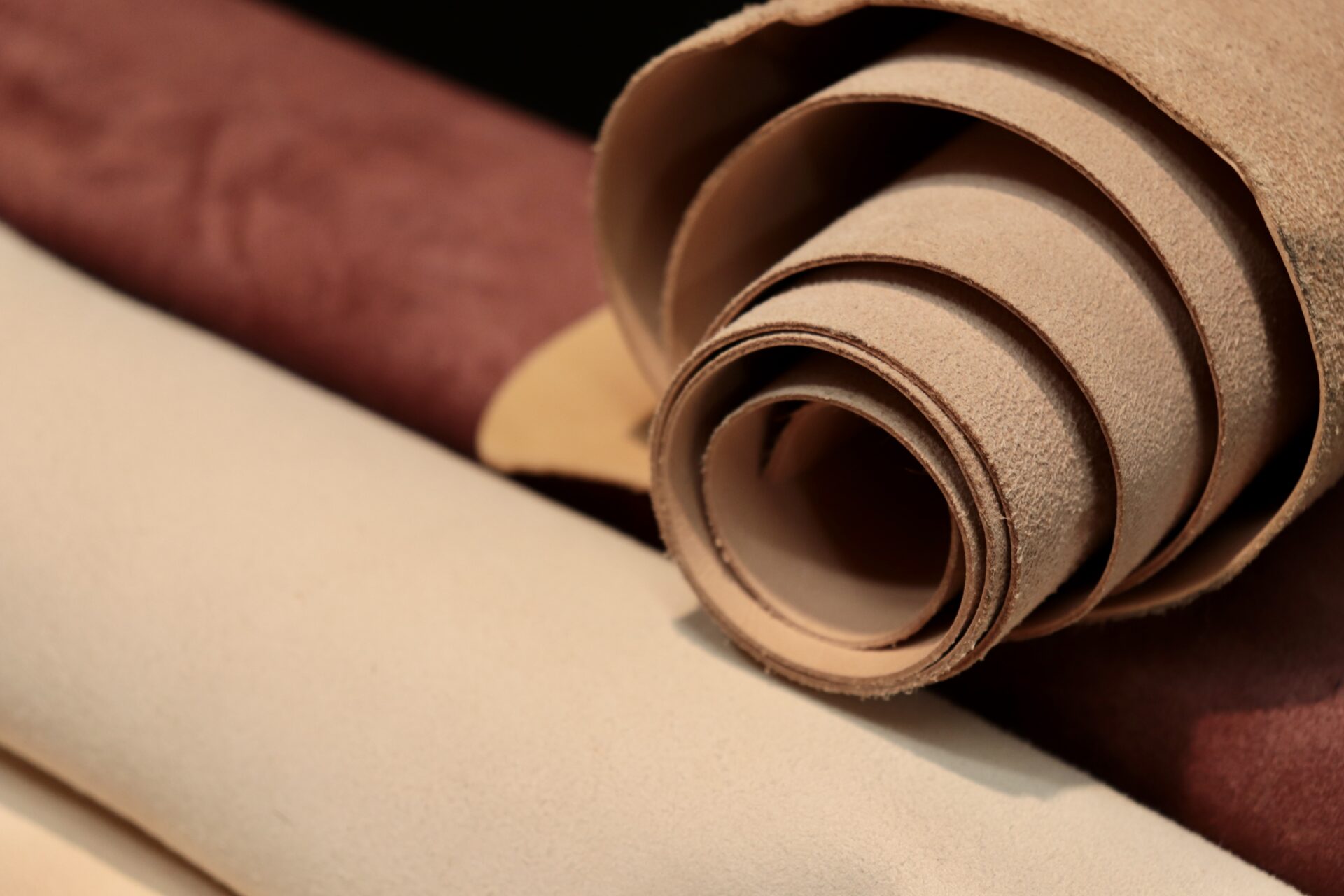
Join us on a journey through craftsmanship, history, and creativity as you explore the ancient techniques used to bind the famous 4th-century Coptic manuscripts. In this hands-on workshop, you’ll recreate a faithful prototype using materials similar to the originals—papyrus and leather—while learning step by step how these remarkable books were made.
At the end of the activity, you’ll take home your handmade creation—a precious object that holds a fragment of history.
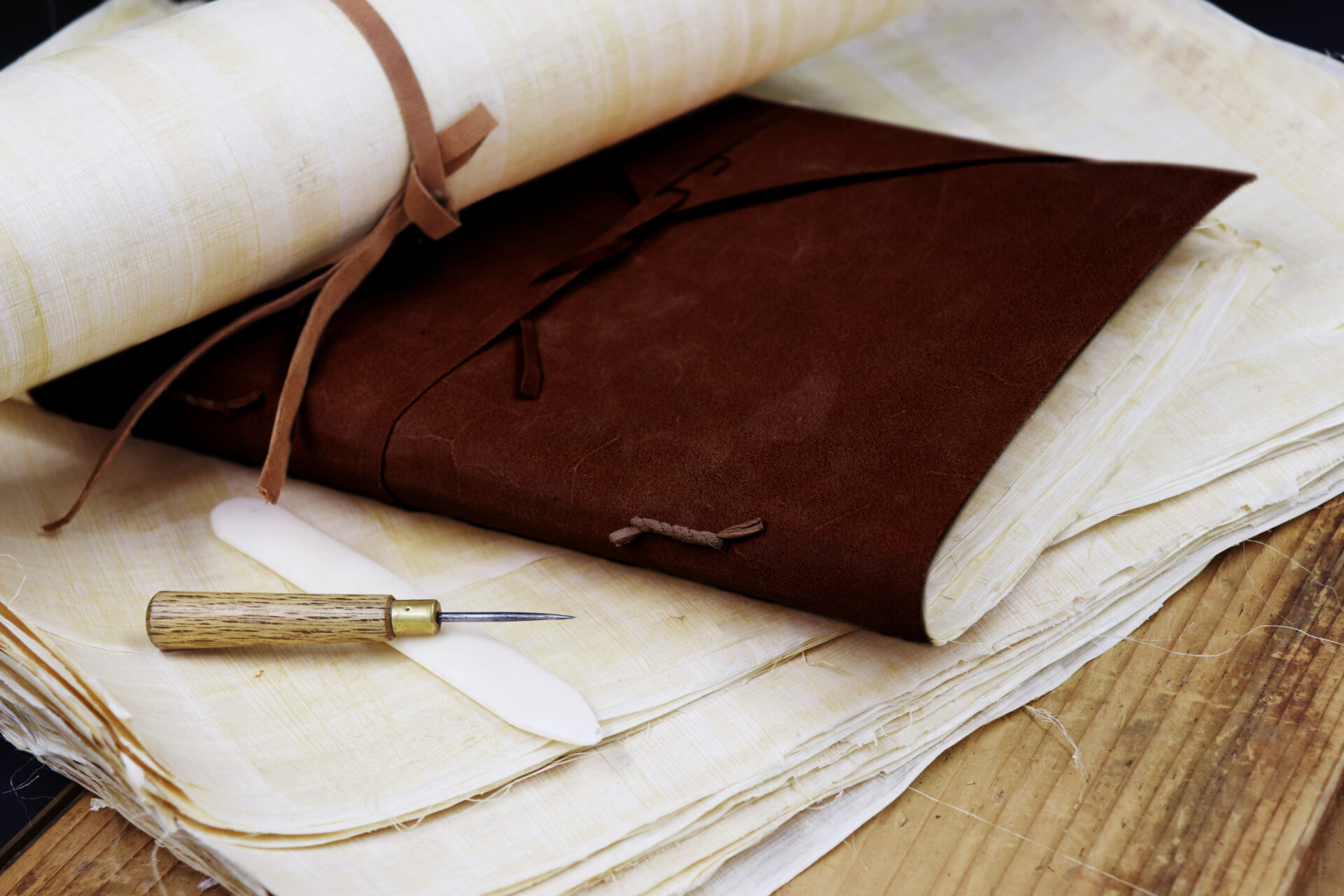
Workshop Contents
- Introduction to the history and features of the Nag Hammadi bindings.
- Analysis of the codex structure: sections, stitching, leather cover.
- Description and preparation of materials
- Creation of prototype
- Final visit to the Relic book and paper restoration and conservation workshop
The workshop, organized by Recanati e Restauro, includes a free one-year membership that will not only grant exclusive access to the workshop but also offer a special benefit: a 10% discount on your future participation in our events.